

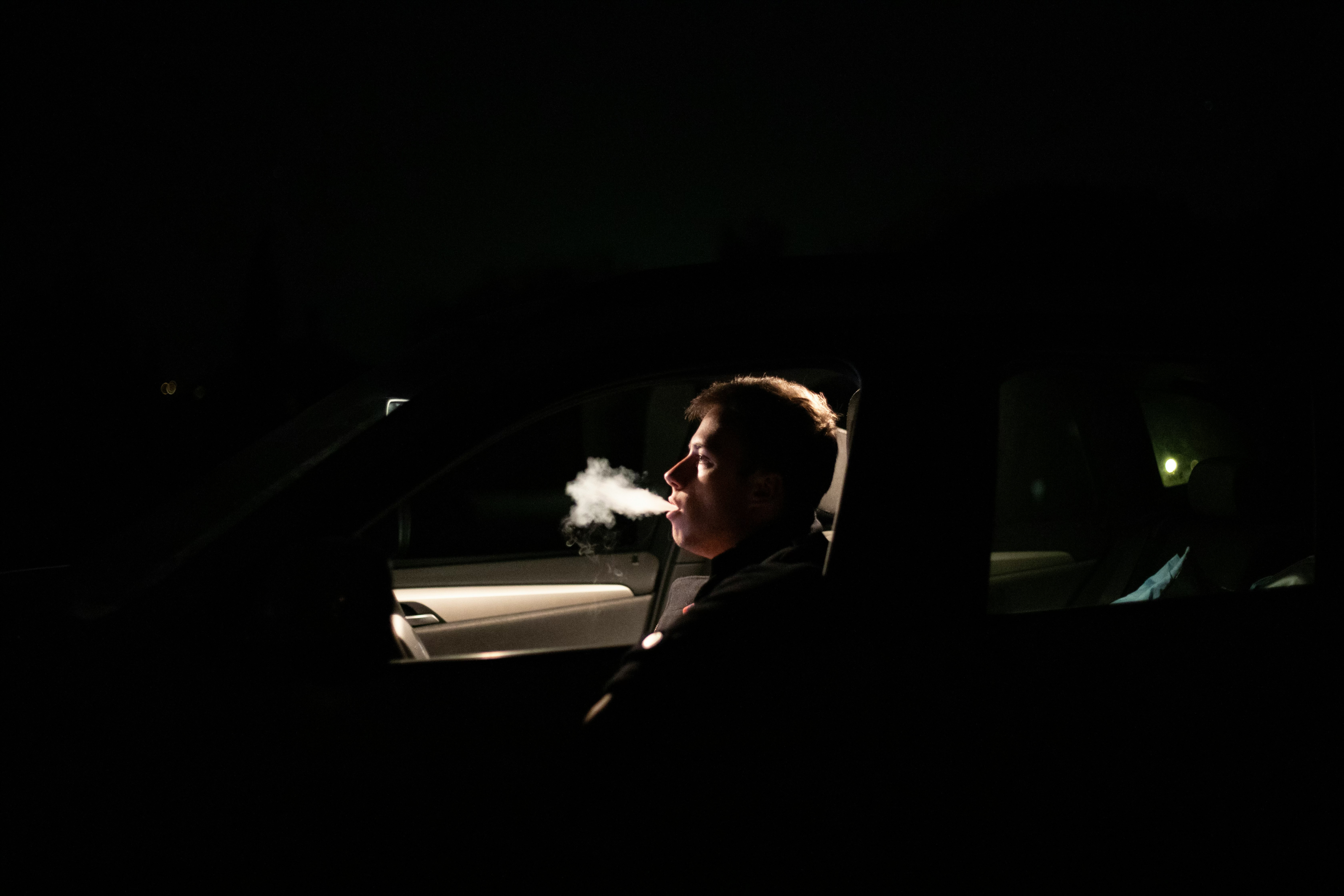
Self-respect doesn’t vanish overnight. It gets chipped away by the ways we think, talk, and act after a devastating loss.
Most men don’t notice it happening. They’re still working and handling their responsibilities. From the outside, it looks they’re keeping it together in the face of overwhelming challenge.
Every choice to lie, rationalize, or manipulate seems small on its own. You know it’s wrong because it feels terrible, but you tell yourself tomorrow will be different.
And then tomorrow is exactly the same. Before you know it, you’ve become someone you hate, and that, your family barely recognizes.
Here’s where it starts.
1. You lie about how you’re actually coping
You tell yourself you’re just “blowing off steam,” but you hide how much you’re actually drinking. You drink at lunch, on the way home, after people go to bed, and make every one a triple. You do your best to make sure no one sees it.
You say you’re just tired, but you’re really hungover from the night before. You get up early, push through and hope no one notices and bad things have gotten.
You delete browser history, clear apps, or wait until everyone’s asleep before you scroll or watch porn. You know exactly why you do it that way.
You tell people you’re fine but your private habits tell the truth.
And you know it.
2. You work yourself into the ground and call it responsibility.
You bury yourself in work because it’s a way to feel in control of something. There are clear expectations, measurable wins, and you can leave the emotional mess of your life behind.
Your family gets whatever energy you have left. If you have any left at all.
You know you’re choosing work over them. You know it’s causing them even more hurt.
You just don’t know how to stop.
3. You break commitments to yourself and pretend they don’t matter.
Every day becomes a cycle of making and breaking promises to yourself.
You tell yourself you’ll slow down. You’ll get your temper under control. You’ll handle things differently next time.
And then the next time comes and nothing changes.
No one knows about these promises. Except you. And every time you break one it costs you.
4. You take it out on the people who didn’t cause it.
You hold it together everywhere else. You don’t have a choice.
Then you walk in the door and unload on your grieving family. The slightest things set you off. You say things you regret and that you can’t take back. You scare the shit out of the people who are trying to love you.
You wouldn’t accept this behavior from another man who wanted to date your daughter.
You hate that you keep accepting it from yourself.
5. You beat the shit out of yourself and call it accountability.
You replay everything leading up to their death in a never-ending doom loop.
You blame yourself for things you couldn’t control. You convince yourself that if only you’d been better they’d still be alive. You tell yourself this is your fault, even if it makes no sense.
You think you deserve your self-inflicted punishment because you failed.
And yet it will never bring them back. It’s just ruining the life you have left and you can’t find a way to let it go.
6. You avoid hard conversations because you don’t trust yourself anymore.
You know what needs to be said, but you can’t bring yourself to say it.
The words are right there, but once they’re out, you don’t get to take them back. You’re afraid of what will happen if you admit how bad it really is. People will see you differently and you’ll just be making them carry your baggage.
So you keep it to yourself. You tell yourself you’re being strong. You tell yourself you’ll deal with it later. In the meantime you keep busy and stay useful.
Avoidance feels safer until you realize you’re losing respect for yourself because of it.
7. You manipulate the people you love when they confront you.
You don’t own it when your partner or your kids call you out for your anger, your drinking, or your work hours
You rationalize it by telling them they don’t understand the pressure you’re under. You minimize by pointing out lucky they are they have a man in their life who cares enough to try. And you turn it around on them by making them feel crazy for even bringing it up.
All you care about is “winning” the moment.
Afterward, you know exactly what you just did.
8. You turn moments of “breaking down” into proof you’re pathetic.
You torture yourself for crying, snapping or shutting down. The words you use reinforce your failure. Crying is “breaking down,” feeling scared is “being a pussy,” and being overwhelmed is “falling apart”
All you see is weakness, failure and a loss of control. You see something embarrassing and instead of giving yourself a break, you pile on the shame.
And torch whatever self-respect you have left.
You’re not alone if reading this was like looking in the mirror, or it sounds like someone you love.
There is a way to stop this from continuing and start rebuilding some self-respect and showing up better for your family.
I’ll be sharing something practical for that shortly. If you’re interested in hearing about it when it’s ready, send me a message and say “me,” or reply to this email.
Hey I tried drinking! I bought a bottle of Wild Turkey 101, sat down and rank half of it. Nothing happened. I didn’t feel any different, and I didn’t have a hangover the next morning. I said to myself, “Clearly this isn’t going to work!” If you are going through grief, find something that helps, even a little bit, and embrace it. No matter what anyone else says!
Jason,
When my wife died, I made no attempt to pretend I was okay. After seeing so many men who do, I realize what a blessing that was. I read a book called “Don’t Waste your Sorrows “ that helped me realize that the only way through the pain was to walk through the pain. Not around it, not over it, not under it, but through it. I have a Chapter in my book called “How to Survive a Devastating Loss and Thrive in the Aftermath “ that onlines the 8 steps I went through in the months following Barbara’s death. If anyone is interested, the book is called “Age Out Loud “ and is available on Amazon. Thank you, Jason for your work. It is so important for men going through devastating loss to know that they are not alone and that it’s okay to not be okay!